
Quick answer
Matanuska Glacier tour what to wear starts with a moisture-wicking base layer, insulating mid-layer, and waterproof shell jacket paired with waterproof hiking boots and wool or synthetic socks. Glacier ice reflects intense UV radiation year-round, so sunglasses, sunscreen rated SPF 30 or higher, and a brimmed hat are non-negotiable even on overcast days. The ice surface temperature stays near freezing regardless of summer air temperatures in the valley.
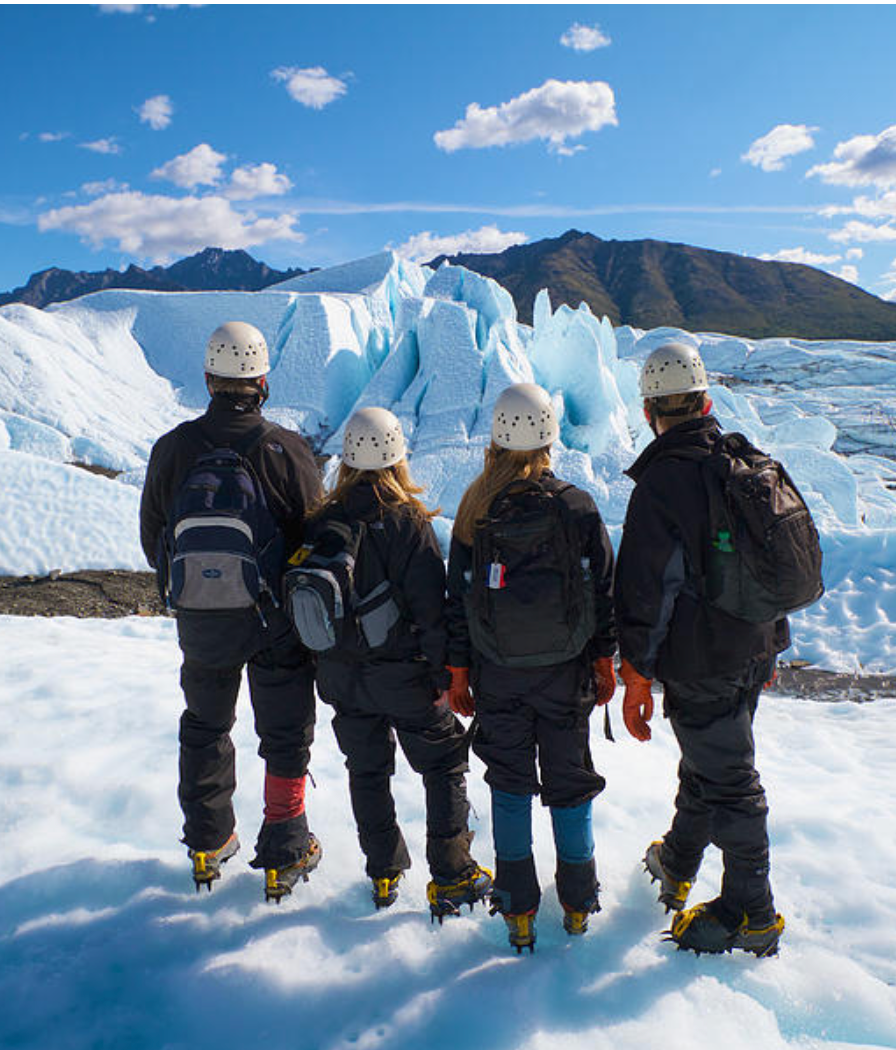
The Matanuska Glacier advances an average of one foot per day during active flow periods, creating a constantly shifting landscape of ice ridges, melt pools, and crevasse fields that demand both mobility and protection from the elements. The glacier's position in the Chugach Mountains channels katabatic winds down its 27-mile length, producing sudden gusts that can cut through inadequate outer layers within minutes. What to wear on a Matanuska Glacier tour differs sharply from standard Alaska hiking because the ice surface behaves as both a reflective heat sink and a radiant cold source. Synthetic or merino wool base layers wick perspiration during the initial approach hike while maintaining insulation once you step onto the ice, where temperatures stabilize around 32-38°F regardless of the valley air temperature reading 50-65°F in summer months. The mid-layer—typically a fleece or lightweight down jacket—provides core warmth without restricting arm movement needed for balance on uneven ice terrain. Your waterproof shell must seal out both wind and the melt water that runs in shallow channels across the glacier surface from late May through early September. Footwear determines whether you navigate the ice safely or spend the tour fighting for traction. Waterproof hiking boots with deep-lug soles and full ankle support handle the glacier's wet, irregular topography; leather or synthetic uppers with sealed seams keep feet dry when crossing melt streams. Gaiters prevent ice chunks and glacial silt from entering boot tops during the walk across moraine debris fields that separate the access road from the glacier tongue. Tour operators at the private gate entrance station provide crampon rentals for extended ice walks, but your own boots must accommodate the binding straps. Accessories protect against the glacier's two invisible threats: reflected UV radiation and wind chill. Polarized sunglasses rated UV400 reduce the glare that bounces off smooth ice at angles that cause snow blindness within 30-45 minutes of unprotected exposure. A neck gaiter or balaclava shields exposed skin when katabatic winds gust above 20 mph, a common occurrence from 10:00-15:00 when thermal differentials between the ice and surrounding landscape peak. Waterproof gloves with textured palms give grip on trekking poles and prevent contact frostbite when steadying yourself on ice walls during photo stops near the terminus face where massive seracs calve without warning.
“The glacier's position in the Chugach Mountains channels katabatic winds down its 27-mile length, producing sudden gusts that can cut through inadequate outer layers within minutes.”
Matanuska Glacier Tour What To Wear: Essential Gear Checklist
Glacier conditions demand specific layering and equipment to stay warm, dry, and protected from intense sun reflection.
-
Wear waterproof insulated boots — Ice and meltwater make surfaces slippery and cold.
-
Dress in moisture-wicking base layers — Cotton traps sweat and loses insulating value when wet.
-
Pack an insulated jacket and fleece — Glacier winds drop temperatures quickly, even in summer.
-
Bring polarized sunglasses and sunscreen — Ice reflects UV radiation at double the intensity.
-
Wear waterproof pants over thermals — Kneeling or sitting on ice soaks through standard fabrics.
-
Carry gloves and a warm hat — Exposed skin loses heat rapidly in glacier microclimates.
Safety Protocols and Rules for Matanuska Glacier Tour What To Wear
Matanuska Glacier requires strict adherence to safety protocols and environmental preservation rules to protect both visitors and the fragile ice environment. Tour operators enforce these guidelines to minimize impact on the glacier surface.
Do
- Stay with your guide at all times during the tour
- Follow designated paths to avoid unstable ice and crevasses
- Respect all safety briefings and equipment instructions
- Pack out everything you bring onto the glacier
- Report any hazards or concerns to guides immediately
Don't
- Wander away from marked routes or your guide group
- Touch or disturb ice formations without guide approval
- Leave any waste, food wrappers, or equipment behind
- Ignore safety equipment requirements or removal instructions
- Approach visible crevasses or meltwater channels independently
Best Time to Visit Matanuska Glacier and What To Wear
The best time to visit Matanuska Glacier is during the shoulder seasons of May or September to balance manageable temperatures with seasonal light. Regardless of the season, aim for the best arrival window of 09:00–15:00 to ensure enough time for your tour before the 17:00 closing.
Summer (June–August)
High50°F to 65°F; layers required. Warmer days still require windproof outer layers for glacier winds.
Shoulder Season (May, September)
Moderate35°F to 55°F; thermal base layers essential. Rapid temperature drops require versatile mid-layers and insulated jackets.
Weekday Mornings
Low—; daily temperatures vary by season. Visiting early provides the most stable conditions and cooler, crisper air for hiking.
Verdict: For the optimal balance of lower crowd density and mild weather, visit on a weekday morning during May or September.
Operating Hours for Matanuska Glacier Tour What To Wear
Matanuska Glacier is open daily throughout the week to accommodate visitors. Please review the schedule below to plan your trip accordingly.
| Monday | 09:00–17:00 | |
|---|---|---|
| Tuesday | 09:00–17:00 | |
| Wednesday | 09:00–17:00 | |
| Thursday | 09:00–17:00 | |
| Friday | 09:00–17:00 | |
| Saturday | 09:00–17:00 | |
| Sunday | 09:00–17:00 |
Check availability
Frequently Asked Questions: Matanuska Glacier Tour What to Wear
Everything you need to know about matanuska glacier tour what to wear